Meso Pigment Reduce — targeted depigmentation
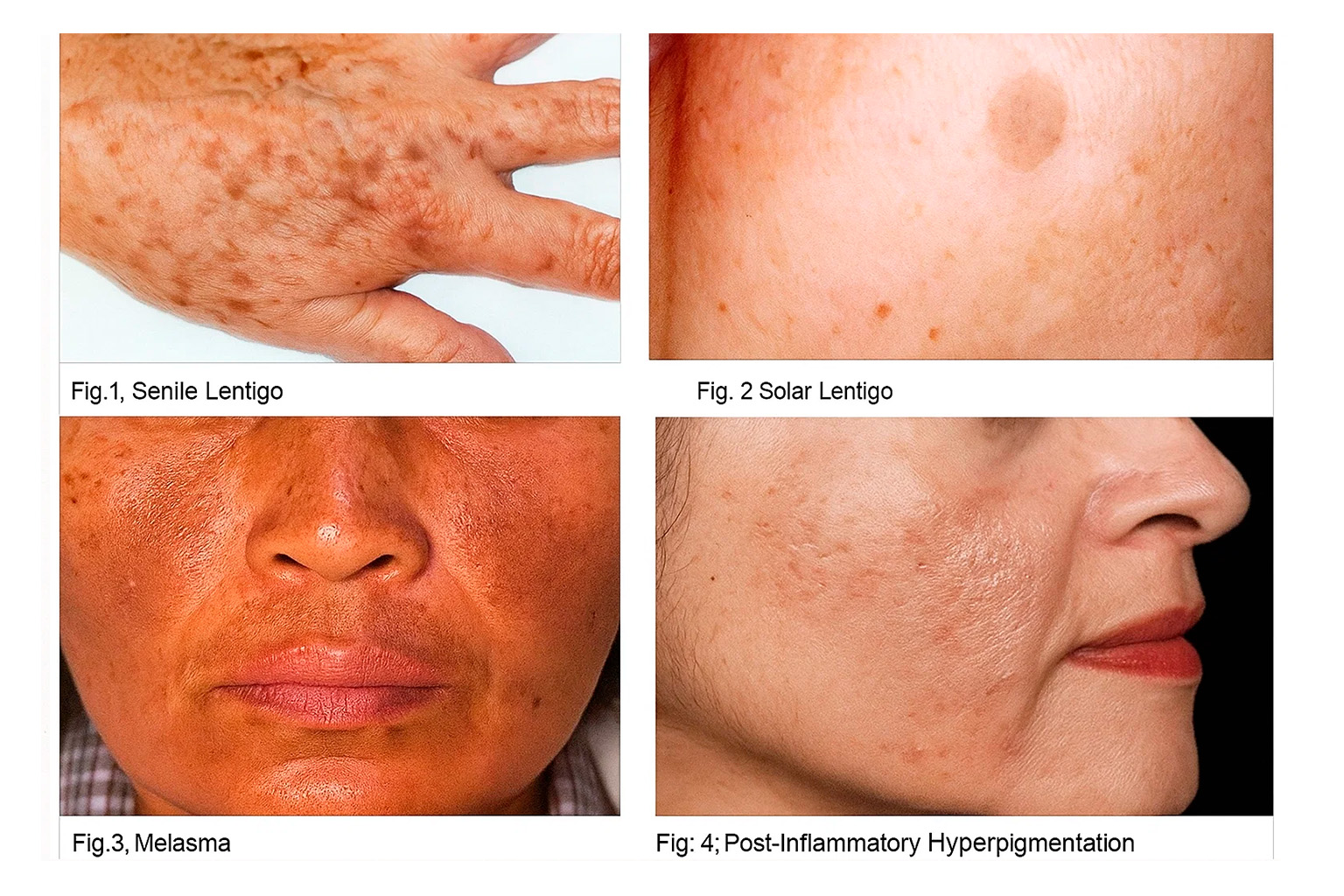
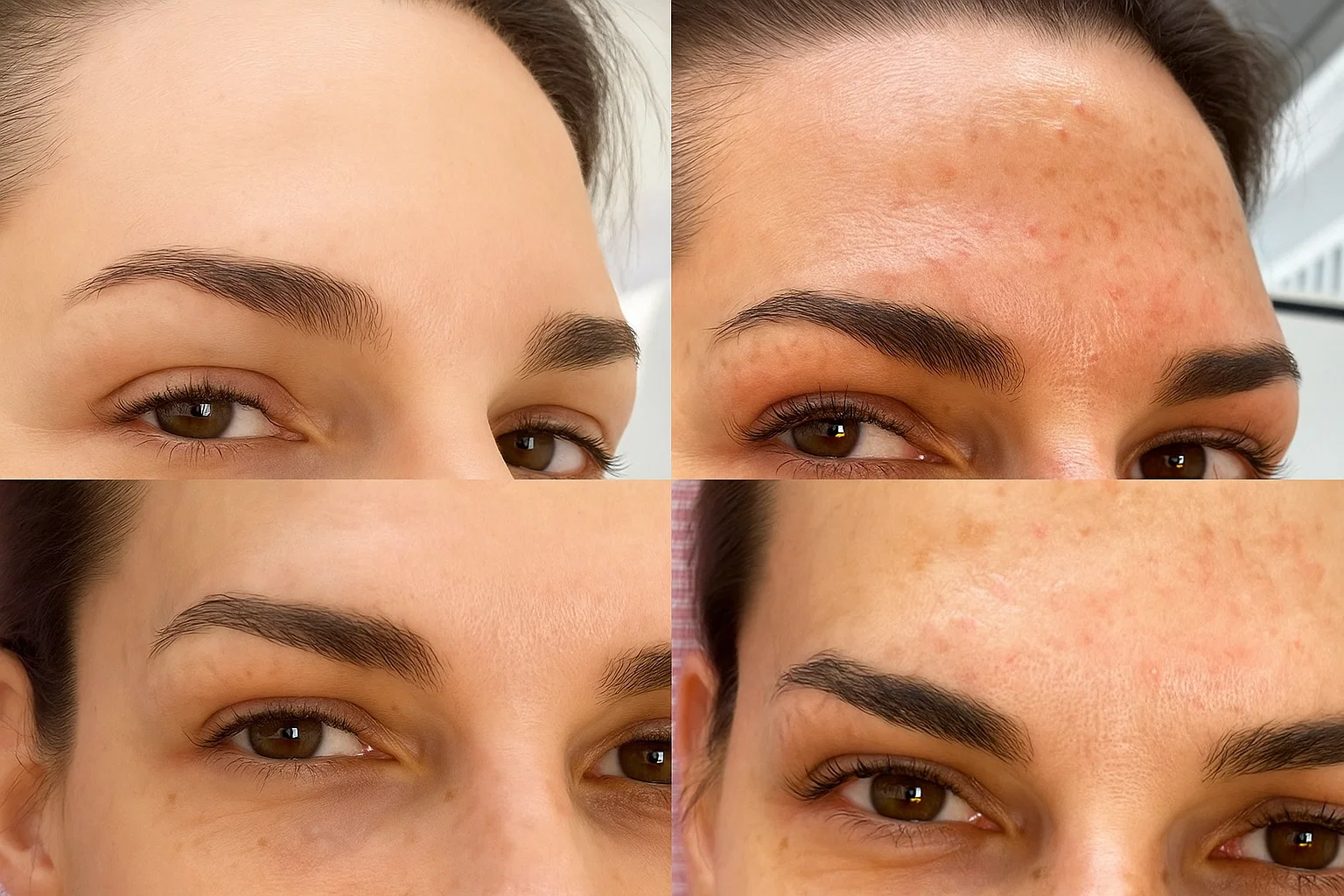
MESO PIGMENT REDUCE is an intense, effective and innovative treatment for hyperpigmentation, melasma, sun damage, age spots, discolorations and dark circles. It helps reduce and prevent spots on the face, body and hands.
Melanogenesis and unhealthy skin color
Skin color results from multiple pigments: haemoglobin in red blood cells and carotene in adipocytes. Most decisive is melanin, produced by melanocytes in the epidermis, which regulates skin color via complex mechanisms.
Unhealthy coloration is usually due to excess melanin or deposition of other pigments in the epidermis — locally or more widespread. Discolorations vary in origin and depth.
How to use
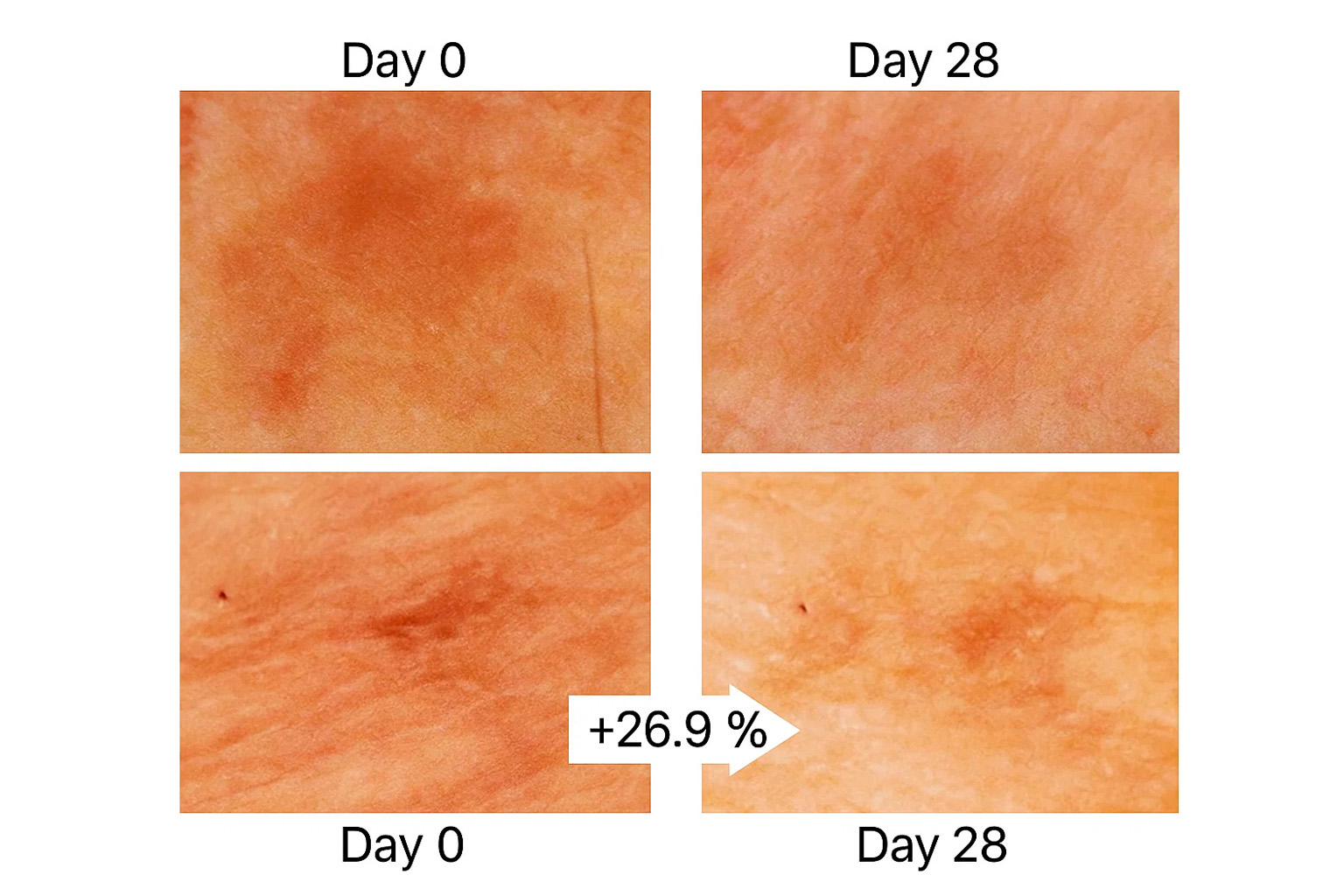
Apply the product twice daily directly to the area. Effects are typically visible after the first applications.
Key ingredients
Glabridin — isoflavonoid from Glycyrrhiza glabra root. In vitro/in vivo shows antioxidant, anti‑inflammatory, neuroprotective, antiteratogenic, antibacterial and depigmenting activity with topical use. The depigmenting effect is multifunctional and addresses several causes of unhealthy coloration.
Vitamin C (ascorbic acid) — reduces melanin production by reducing o‑DOPAchinone to DOPA and interrupting the oxidation process that forms melanin. The more stable profile enhances overall effect.
Arbutin — natural glucoside of hydroquinone (hydroquinone‑β‑D‑glucopyranoside). Studies on human melanocytes indicate a mechanism different from synthesis/enzyme expression. Clinical use without hydroquinone‑typical side effects.
Kojic acid — inhibits tyrosinase via copper chelation at the active site. Clinically documented depigmenting effect and safety. Inhibits MITF‑related transcription and α‑MSH‑stimulated melanogenesis.
Azelaic acid — depigmenting via competitive tyrosinase inhibition.
Niacinamide — biologically active amide of vitamin B3. Together with sun protection, clarity can improve more than with sun protection alone.
Vitamin A (retinoic acid) — depigmenting via increased keratinocyte turnover (epidermal pigment loss) and indirect cytotoxic effect on melanocytes by inhibiting detox pathways.
Pueraria (Kudzu) — root/flower used traditionally; multiple studies show inhibition of melanogenesis (confirmed by Fontana‑Masson staining).
Brassica napus seed extract — antioxidant‑rich; in vitro/in vivo shows reduction of discoloration and a more even tone.